
When it comes to food waste, use-by dates have a lot to answer for.
I’ve been humbled this week in the food-waste stakes having met an 84 year old Polish lady who puts my food-saving credentials to shame. I’ve been trying not to let food go to waste for a good few years but having met this lady, I realise that we shouldn’t just try, we should all try harder.

Living alone and relying on social care to organise both her meals and her shopping, you can see how it doesn’t just break her heart, it virtually tears her heart in two as she watches her unopened loaves of bread go straight in the bin.
I can understand that in the presence of use by dates, food service providers have no choice but to abide by them.
That doesn’t make it any easier to watch though and for a lady brought up in wartime Poland, it feels scandalous.
Helping her clear her cupboards of the offending articles, I promised that I would make sure anything that could be used, would.

If you are using some of your now-spare time to have a cupboard clear out, promise me you will do the same. In the relative luxury that many of us enjoy it is easy to discard a slightly withering pepper or dry loaf of bread, safe in the knowledge that they will be easily replaced. On the other hand, if you don’t know when and how you will be able to restock your cupboards, you would think twice before ditching an unopened tub of yoghurt one minute past its use-by date. Necessity is the mother of invention after all. Even if restocking your cupboards is neither a financial nor physical concern, I believe we owe it to all the time and energy that sits in the supply chain to do our best to use every last crumb wisely.
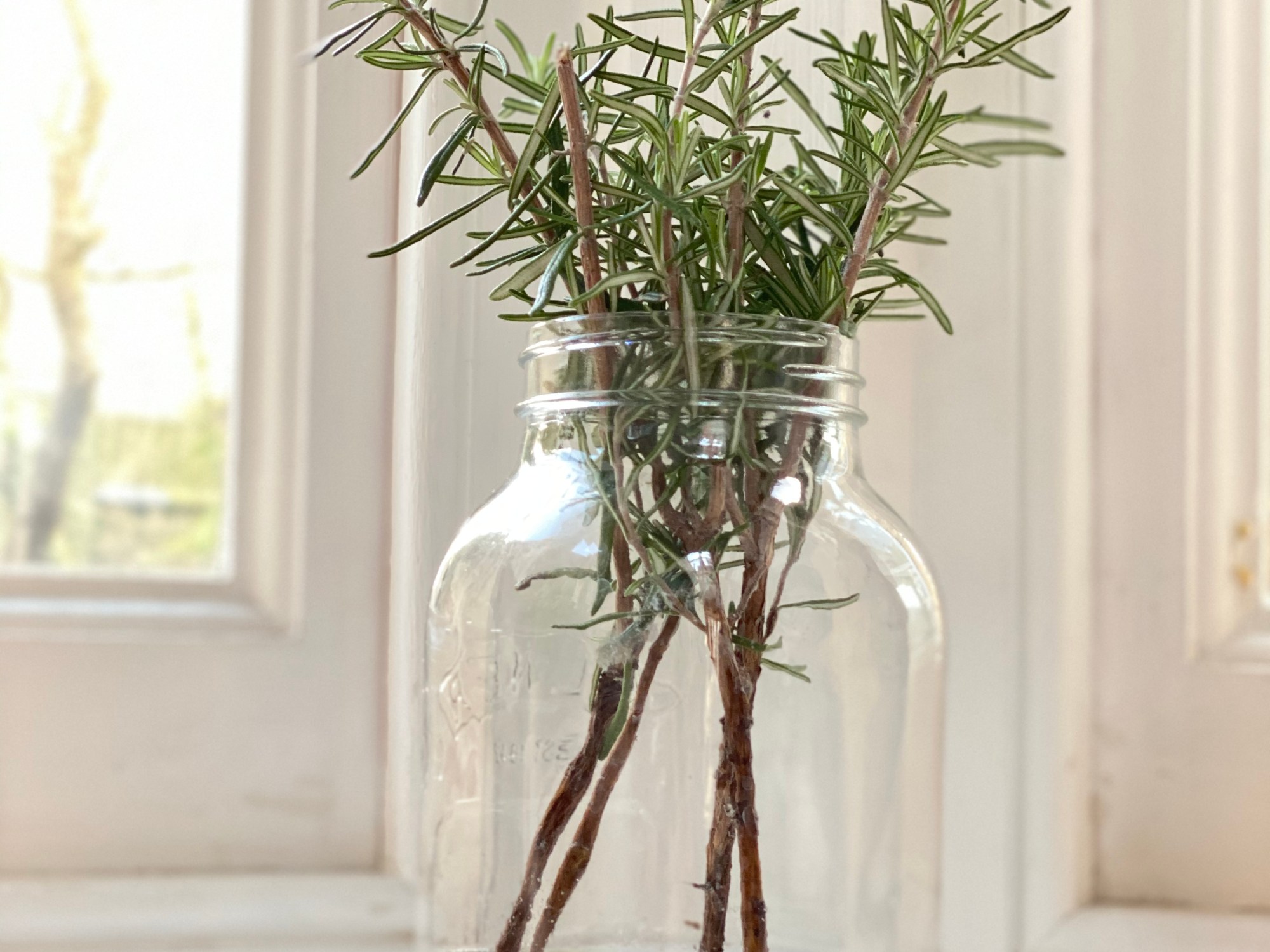
As I was leaving, I cheekily asked if I could have some rosemary from my near-neighbour’s thriving front garden as, like many, I was planning to do a lamb roast this weekend. My new friend was kind enough to give me not just a few sprigs but a whole bag full.

It will not go to waste, not a single piece.
Here are a few thoughts to help you save your hard earned kitchen supplies from the bin:
Don’t be Too Quick to Judge
With most foods, your eyes and nose will tell you all you need to know about whether something is edible. Use your hands too – many things go dry or stale rather than mouldy so feel a slice of bread or snap a cracker, does it seem ‘normal’ to you? Taste a bit; unless you are of a very delicate constitution a small amount of something slightly past its best will do you no harm. If it tastes good, eat it. If it tastes OK but not great, try re-inventing it – a la Bread & Not-Butter Template – Sweet or Savoury. Check out What can I do with Stale Bread? or get inspired by Balsamic Tomatoes.
Either way, use all your senses before consigning something to the bin.

Lots of things can also be rejuvenated – jars of hard honey are an obvious one (just need to go in a warm oven) but whatever it is you have, a quick look on the internet will no doubt give you some pointers as to if and how it can be salvaged; the online no-food-waste community is growing rapidly.
Don’t over-think it – no need to scratch your head to come up with a complicated recipe. Sometimes the joy is just in eating a single, unadulterated ingredient on its own. My new friend and I enjoyed some cooked chestnuts together straight from the packet as we perused the rest of the cupboard.
Prevention is Better than Cure
I’ve said it before but I’ll say it again, embrace the freezer. If in doubt, give something a go. What’s the worst that can happen, you freeze something, defrost it and it isn’t as good as it once was? We recently froze the last two portions of a delicious ginger & white chocolate cheesecake (thanks to the Wagamama’s inspired Nigella recipe); much to my partner’s disgust it worked a treat. No need to eat an eight-person cheesecake between two in three days next time.
My new food-saving guiding-light (as I shall call her) was quick to point out that how you store things makes a big difference to how long things last. A generation who may have lived without the luxury of a fridge and whose store-cupboard fortunes depended more on the weather than Waitrose, knew the importance of looking after precious ingredients. These guys have made a good summary if you are unsure of anything – LoveFoodHateWaste Food Storage A to Z.
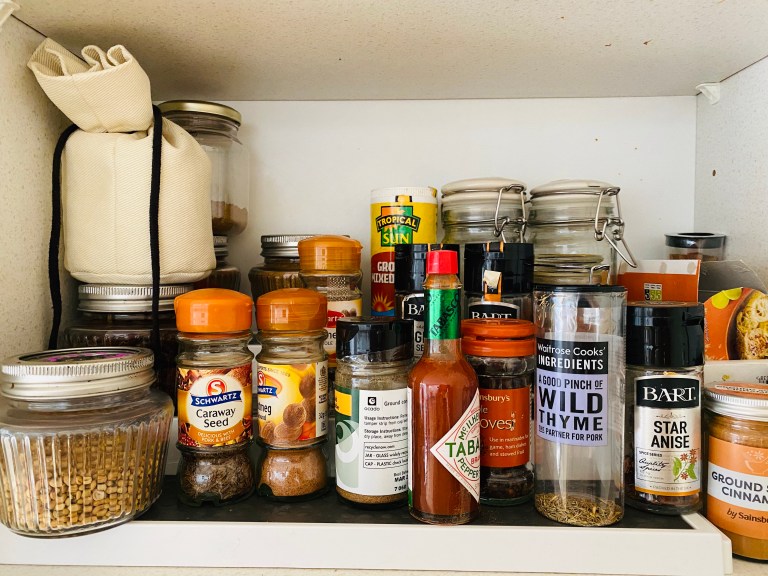
Moreover, think before you buy. That unique spice/oil/condiment may have been delightful when cooked up by a local expert on holiday but will it be as good with boiled potatoes back in Balham? A bulk-buy may bring down the price per gram but is a false economy if half of what you buy ends up in the bin.
Finally, if you spot something in your cupboard that is the right side of its use-by date that you don’t think you will eat, find your local food bank collection point and send it to a good home that way. Waste not want not.
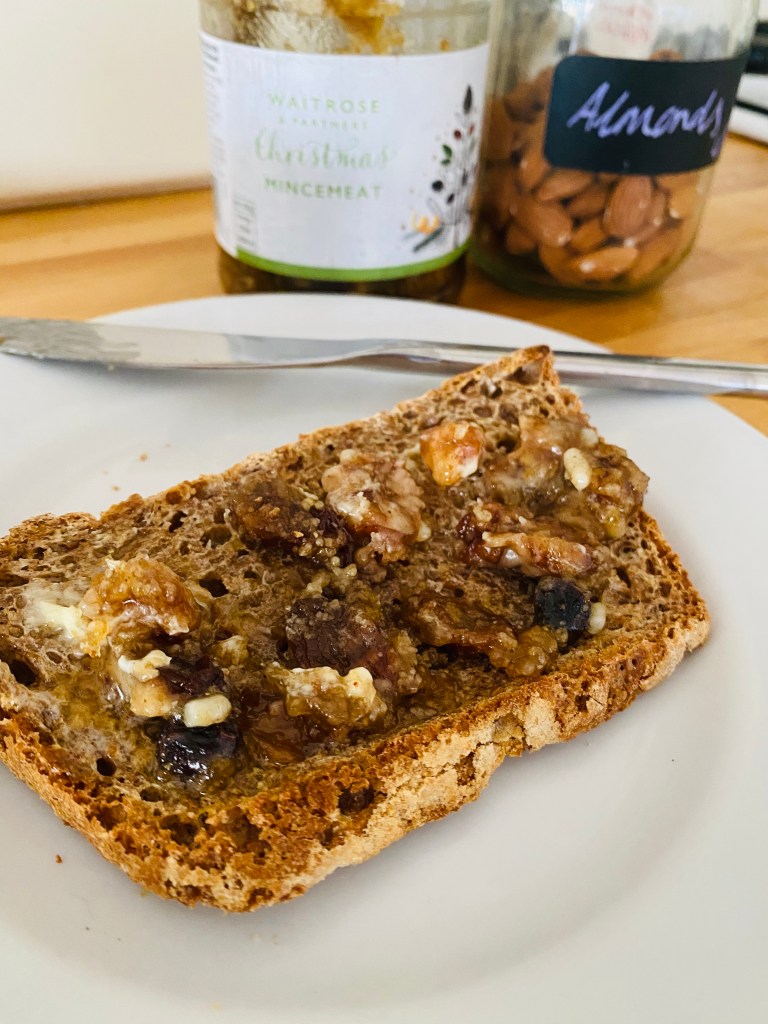
Now to enjoy mincemeat on toast, like a hot cross bun only it’s made in two minutes from a jar of Christmas fare otherwise destined for the bin. Reinvention at its best.
 Save-it Sarah's Off Piste Recipes
I love this post and totally agree I hate waste food. I try to be inventive but I definitely can get better. Mincemeat on toast sounds good but I put a spoonful in my porridge which is delicious. Keep the ideas coming and thank you xx
LikeLiked by 1 person